
Sigiriya, Sri Lanka: Climbing Lion Rock and First-Time Visitor Tips
Sigiriya is one of Sri Lanka’s most recognisable landmarks, rising abruptly from the central plains as a massive rock fortress with a history dating back over 1,500 years. Often referred to as Lion Rock, this UNESCO World Heritage Site combines ancient engineering, royal ambition, and natural beauty. For travellers planning their first visit, understanding how the climb works, what to expect on the way up, and how to organise the day makes a significant difference to the overall experience.
What Makes Sigiriya Unique: History, Landscape and Structure
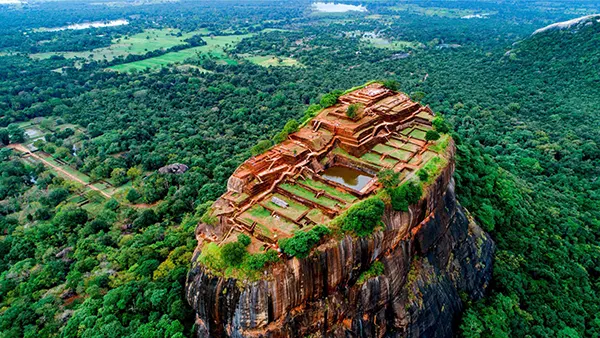
Sigiriya was established in the 5th century by King Kashyapa, who chose the rock as the site for his royal palace and fortress. The location was not accidental: its steep sides provided natural defence, while the surrounding plains offered visibility in every direction. Today, visitors walk through what remains of landscaped gardens, water systems, and symmetrical pathways that reflect advanced planning for the time.
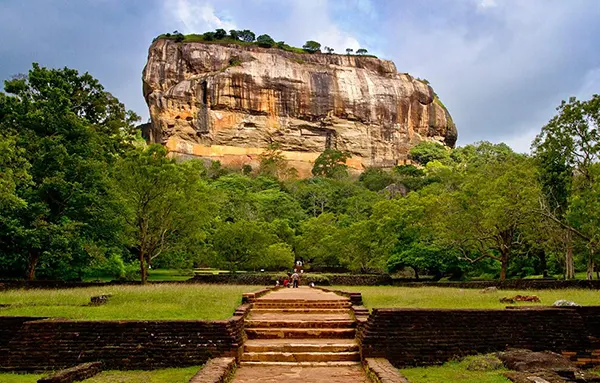
One of the most distinctive elements of Sigiriya is its layered design. At the base, there are water gardens with pools and fountains that still function during the rainy season. Further up, boulder gardens create a natural maze, and midway along the climb, visitors encounter the famous frescoes—paintings of celestial women preserved on the rock face.
The final section of the ascent leads through the Lion Gate, where only the massive stone paws remain today. Originally, a full lion structure stood here, symbolising power and protection. From this point, a steep staircase takes visitors to the summit, where the ruins of the palace and panoramic views of the surrounding jungle and farmland await.
Best Time to Visit and How to Plan the Climb
Timing is essential when visiting Sigiriya, especially in a tropical climate like Sri Lanka’s. The most comfortable hours for climbing are early morning, typically between 7:00 and 9:00, or later in the afternoon after 15:30. Midday temperatures can exceed 30°C, making the ascent more physically demanding.
The dry season, which generally runs from December to April in this region, offers more predictable weather conditions. However, Sigiriya remains accessible year-round. During the rainy months, the rock can be slippery, so proper footwear becomes even more important.
It is advisable to allocate at least 2–3 hours for the full visit. This includes walking through the gardens, climbing to the top, spending time at the summit, and descending at a comfortable pace. Purchasing tickets early in the day also helps avoid queues, particularly during peak tourist seasons.
The Climb: What to Expect Step by Step
The ascent of Sigiriya involves approximately 1,200 steps, divided into several sections with resting areas along the way. The initial part of the walk is relatively flat, leading through landscaped gardens and shaded pathways. This section is accessible to most visitors and serves as a gradual introduction before the steeper climb begins.
As the route progresses, metal staircases are attached to the rock face, providing access to the fresco gallery and mirror wall. These sections can feel exposed, especially for those with a fear of heights, but the structures are well-maintained and stable.
The final climb from the Lion Gate to the summit is the most physically demanding. The staircase is narrow and steep, and during busy periods, there may be delays as people move both up and down. Despite the effort required, the view from the top—stretching across forests, villages, and distant mountains—is one of the most rewarding aspects of the visit.
Practical Tips for First-Time Visitors
Wearing comfortable, non-slip shoes is essential, particularly because parts of the climb involve metal stairs and potentially wet surfaces. Lightweight clothing and sun protection are also recommended, as much of the route is exposed to direct sunlight.
Carrying water is important, but it is best to travel light. A small backpack with essentials such as water, sunscreen, and a hat is sufficient. Larger bags can make the climb more difficult, especially on narrow staircases.
Another factor to consider is local wildlife. Wasps occasionally nest along parts of the rock, and signs are placed to warn visitors. Following instructions from site staff and avoiding loud noises near these areas helps minimise any risk.
Beyond the Climb: What Else to See Around Sigiriya
While the rock itself is the main attraction, the surrounding area offers additional sites worth visiting. One of the most notable is Pidurangala Rock, located just a few kilometres away. It provides an alternative viewpoint of Sigiriya and is often less crowded, making it popular for sunrise visits.
The nearby village areas offer a chance to experience rural Sri Lankan life. Visitors can take guided tours that include traditional cooking demonstrations, farming activities, and boat rides across local lakes. These experiences add context to the historical site and highlight the region’s cultural landscape.
Sigiriya is also part of Sri Lanka’s Cultural Triangle, which includes other significant locations such as Dambulla Cave Temple and the ancient city of Polonnaruwa. Planning a multi-day itinerary allows travellers to explore these sites in combination rather than visiting Sigiriya in isolation.
Common Mistakes to Avoid on Your First Visit
One of the most frequent mistakes is underestimating the physical effort required for the climb. While it is manageable for most people with average fitness, taking breaks and pacing yourself is important, especially in hot conditions.
Arriving too late in the day can also limit the experience. Ticket sales typically close in the late afternoon, and climbing during the hottest hours can reduce comfort and enjoyment. Early planning ensures better conditions and more time at the summit.
Finally, many visitors overlook the historical context of the site. Taking a guided tour or reading about Sigiriya beforehand adds depth to the visit, helping to understand not just the structure itself, but the story of the king who built it and the significance it holds in Sri Lankan history.