
Kyoto in Maple Season: How to Plan a Route Without Crowds
Autumn in Kyoto is often associated with red maples, temple gardens and narrow streets filled with visitors. However, the peak season can quickly turn a carefully planned trip into a tiring experience due to overcrowded locations. A well-thought-out маршрут allows you to see the same seasonal beauty while avoiding the most congested areas, focusing instead on quieter districts, alternative viewpoints and better timing strategies.
Understanding Peak Season Patterns in Kyoto
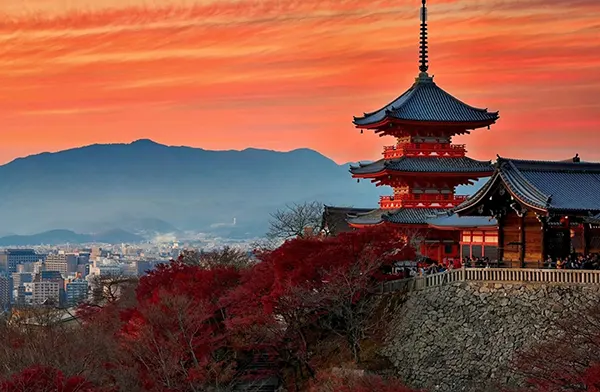
The maple season in Kyoto typically runs from mid-November to early December, though exact timing shifts slightly each year depending on weather conditions. The most popular spots such as Kiyomizu-dera, Arashiyama and Tofuku-ji attract the highest visitor numbers, especially between 10:00 and 16:00. This predictable pattern is key to planning a less crowded itinerary.
Tourist flow is not evenly distributed across the city. Eastern Kyoto tends to be the busiest due to its concentration of famous temples, while northern and western districts remain relatively quieter. Travellers who limit themselves to only well-known landmarks often experience the worst congestion.
Weekends and public holidays significantly increase crowd density. Even lesser-known locations can become busy during these periods. Choosing weekdays and starting early in the morning or later in the afternoon makes a noticeable difference in overall experience.
How Timing Affects Your Experience
Arriving at popular temples right at opening time, usually around 8:00, allows you to enjoy calm surroundings before tour groups arrive. The difference between 8:00 and 11:00 can be dramatic, especially in high-demand locations.
Evening visits are another practical option. Many temples offer seasonal night illuminations, and while these events attract visitors, the flow is often more manageable compared to midday crowds. Additionally, the atmosphere changes completely under soft lighting.
Midday should be reserved for transitions between areas rather than major sightseeing. This is the best time to move between districts, have lunch, or explore quieter streets rather than joining queues at major attractions.
Alternative Locations for Autumn Foliage
Kyoto offers far more maple viewing spots than the commonly advertised landmarks. Areas such as Ohara, Takao and Kurama provide equally impressive autumn scenery with significantly fewer visitors. These locations require slightly more travel time but reward visitors with a calmer environment.
Temple gardens outside central zones often receive less attention despite their historical value. Smaller temples in northern Kyoto, for example, combine traditional architecture with seasonal landscapes without the pressure of large crowds.
Walking routes along rivers and residential districts can also offer memorable views. The Philosopher’s Path, when visited early, or lesser-known canal paths provide a slower and more immersive experience compared to crowded temple grounds.
Balancing Famous and Quiet Spots
A practical route does not exclude popular landmarks entirely but integrates them strategically. Visiting one major site per day, combined with two or three quieter locations, creates a balanced itinerary without fatigue.
Transport connections play an important role in this balance. Planning routes that follow a logical geographical flow reduces time spent in transit and avoids unnecessary backtracking across the city.
It is also useful to identify secondary entrances or alternative viewing points within larger complexes. These areas often remain less crowded while offering similar perspectives.
Building a Practical Day-by-Day Route
An effective маршрут in Kyoto during maple season begins with clear geographic grouping. For example, dedicating one day to northern Kyoto and another to the western districts helps minimise travel time and crowd exposure.
Early mornings should be reserved for key attractions, followed by quieter locations later in the day. This structure ensures that the most crowded places are visited when they are still manageable.
Flexibility is essential. Weather conditions, especially during autumn, can affect both foliage visibility and visitor numbers. Having backup locations allows you to adjust plans without losing valuable time.
Example Structure for a Low-Crowd Itinerary
Day one can focus on eastern Kyoto with an early visit to a major temple, followed by smaller nearby gardens and local streets. Ending the day with an evening illumination visit creates a natural rhythm without overload.
Day two may shift to northern areas such as Ohara, where travel time is longer but the environment is quieter. This contrast helps maintain energy and avoids repetition in scenery and atmosphere.
Day three can be dedicated to western Kyoto, combining a short visit to Arashiyama early in the morning with less visited temples in the surrounding hills. This approach ensures that even popular areas are experienced under better conditions.