
Journey to the Belogradchik Rocks: Bulgaria’s Remarkable Natural Landscape
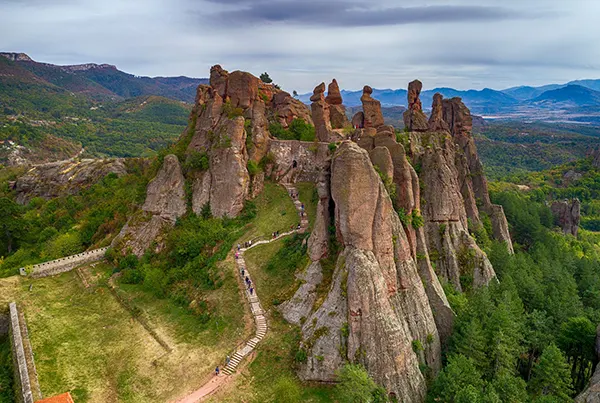
The Belogradchik Rocks stand as one of Bulgaria’s most distinctive natural landmarks, shaped over millions of years by wind, water, and temperature changes. Located near the town of Belogradchik in the country’s north-west, this geological formation attracts travellers interested in history, geology, and outdoor exploration. As of 2025, the area remains well maintained, easily accessible, and recognised as a protected natural site with significant cultural value.
The Geological Story Behind the Belogradchik Rocks
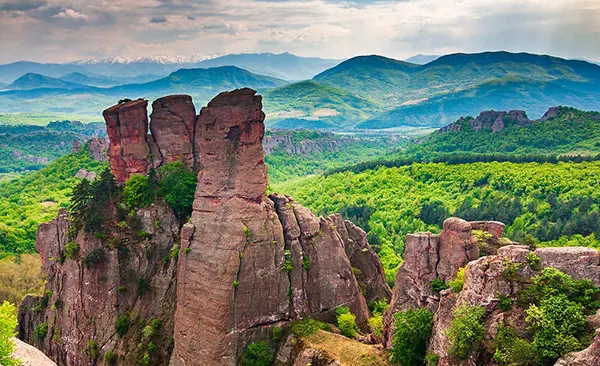
The formation of the Belogradchik Rocks dates back more than 200 million years, when ancient seas, tectonic movements, and erosion gradually sculpted the sandstone and conglomerate cliffs into their present shapes. Their palette of reds, yellows, and browns results from iron oxide and mineral deposits naturally present in the rock layers.
The most remarkable feature of the area is the diversity of the formations, many of which resemble human figures, animals, or architectural silhouettes. Names such as The Madonna, The Rider, or The Schoolgirl were given by locals who associated the outlines with familiar shapes. These names have been preserved for generations and now form an essential part of local folklore.
The rocks stretch across roughly 30 kilometres in length and up to 200 metres in height. This extensive area offers panoramic viewpoints, walking routes, and access to Belogradchik Fortress, a centuries-old stronghold that blends organically with the cliffs. The combination of natural and historical elements creates a distinctive landscape found only in this region of Bulgaria.
How Time and Nature Shaped the Landscape
The shaping process of the Belogradchik Rocks continues today, though at a much slower pace. Seasonal temperature changes, frost, and rain subtly influence their surfaces. Geologists studying the region frequently emphasise the importance of preserving the current ecosystem to prevent accelerated erosion caused by human activity.
Vegetation plays an important role in stabilising the slopes surrounding the formations. Pine trees, shrubs, and grasses help retain soil and reduce the risk of minor landslides. Because of this, conservation efforts in the region focus not only on the rocks themselves but also on the surrounding natural environment.
Visitors are encouraged to follow marked paths to minimise damage to fragile areas. As tourism in Bulgaria increases steadily each year, local authorities in 2025 continue improving infrastructure to balance accessibility with environmental protection. This includes updated signage, maintained trails, and controlled access points in sensitive zones.
The Cultural and Historical Importance of the Region
The Belogradchik Rocks have been closely connected to Bulgarian history since ancient times. Thracian tribes once used certain parts of the cliffs for rituals and defensive purposes. Centuries later, Roman, Byzantine, and medieval Bulgarian rulers recognised the strategic value of the location and fortified nearby structures.
The most prominent monument, Belogradchik Fortress, has undergone continual development throughout the centuries. Initially constructed by the Romans, expanded during the Second Bulgarian Empire, and later modified by the Ottomans, the fortress remains one of Bulgaria’s best-preserved strongholds. Visitors today can explore its walls and courtyards while enjoying expansive views of the rock formations.
Local museums and cultural centres offer detailed information on the archaeological findings of the area. Artifacts discovered near the rocks include pottery, weapons, and ornaments, providing valuable insights into the lives of earlier civilisations. These institutions also cooperate with researchers who continue studying the region for new discoveries.
Folklore and Legends Connected to the Rocks
Over time, the unusual shapes of the rocks gave rise to numerous folk stories passed down through generations. Many of these tales revolve around forbidden love, bravery, and local folklore heroes. For instance, The Madonna formation is often associated with a legend about a young nun whose tragic story has become a symbolic part of the region’s oral tradition.
The formation known as The Rider is tied to stories of mythical warriors and protectors. These legends, although not historically verifiable, enrich the cultural identity of the area and influence local festivals and seasonal celebrations. They also contribute to the narrative appeal for visitors seeking cultural depth alongside natural exploration.
Local guides often share these legends during tours, offering visitors both factual information and storytelling traditions. This blend of history and folklore adds an additional layer of value to the Belogradchik Rocks as a heritage site.
Modern Tourism and Visitor Experience in 2025
The region surrounding the Belogradchik Rocks continues to develop in a sustainable manner, ensuring that tourism growth does not compromise the preservation of the landscape. Local authorities prioritise responsible tourism, encouraging travellers to respect marked hiking trails and designated viewing areas.
Several accommodation options are available in the town of Belogradchik, ranging from family-owned guesthouses to modern hotels. As of 2025, many of these businesses focus on environmentally conscious practices, such as reducing plastic waste, supporting local products, and promoting low-impact activities like hiking and cycling.
Visitors can choose from a variety of routes, including short walks to scenic viewpoints and longer trails that lead through forested areas and higher elevations. Guided tours are also available for those who prefer structured exploration with expert commentary on geology, flora, fauna, and history.
Practical Information for Travellers
Reaching the Belogradchik Rocks is straightforward thanks to improved transport connections. Regular bus services run from major cities such as Sofia and Vidin, while travellers with cars can access the region through well-marked roads. Parking zones and visitor centres provide essential information and assistance.
The best time to visit is from late spring to early autumn, when weather conditions support outdoor activities. However, winter visits are possible for those prepared for colder temperatures and occasional snow, which adds a distinctive atmosphere to the landscape.
Safety remains a priority. Comfortable footwear, water, and weather-appropriate clothing are recommended. Although the area is generally safe, the terrain includes steep sections where caution is advised. Visitor facilities offer maps and guidance to help ensure an enjoyable and well-organised experience.