
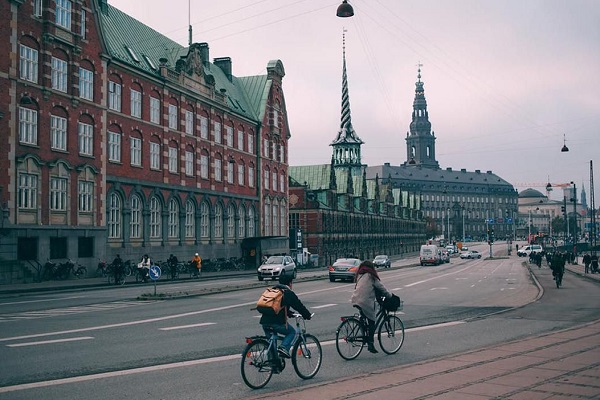
Historical Places in Denmark
Denmark, a Scandinavian gem, is replete with sights that blend historic grandeur with modern charm. This journey through Denmark’s most notable attractions offers a glimpse into its rich heritage and contemporary allure.
Nyhavn: A Colorful Waterfront
Nyhavn, once a bustling commercial port, is now the picturesque face of Copenhagen. This vibrant area, lined with brightly colored 17th and 18th-century townhouses, bars, cafes, and restaurants, is a perfect spot for leisurely strolls and enjoying the canal’s serene ambiance. The historic ships docked in the harbor add to its nostalgic charm, creating a postcard-perfect scene.
Rosenborg Castle
Rosenborg Castle stands as a testament to Denmark’s royal history. Built in the early 17th century by King Christian IV, this Renaissance castle is nestled in the King’s Garden, Copenhagen’s oldest royal garden. The castle houses some of Denmark’s greatest cultural treasures, including the Crown Jewels and the Danish Crown Regalia, offering a deep dive into the nation’s royal heritage.
Casino Copenhagen
For those seeking modern entertainment, Casino Copenhagen offers a cosmopolitan experience. It’s the largest casino in Denmark, providing a variety of games ranging from classic table games to modern slot machines. The casino’s vibrant atmosphere makes it a popular choice for an exciting evening in the city.
Church of the Savior: Architectural Splendor
The Church of the Savior in Copenhagen is renowned for its baroque architecture and helix spire with an external winding staircase. Climbing the staircase offers a panoramic view of the city, making it a favorite spot for photographers and sightseers alike.
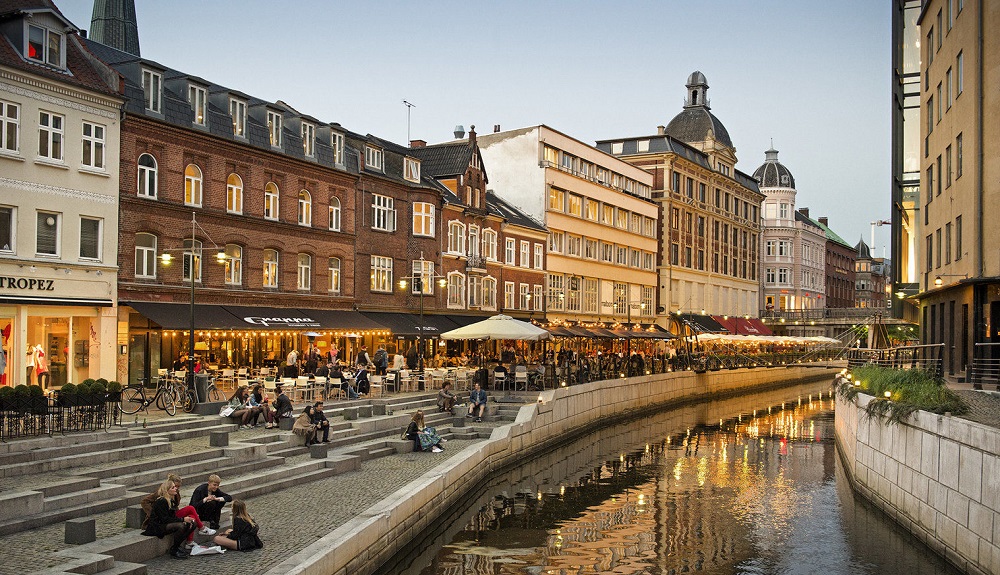
Casino Munkebjerg Vejle: Gaming in Nature’s Lap
Casino Munkebjerg Vejle, located amidst the beautiful natural surroundings of Vejle Fjord, presents a different casino experience. It combines gaming with scenic beauty, providing a tranquil yet thrilling environment for visitors.
Kronborg Castle: Shakespeare’s Inspiration
Kronborg Castle, immortalized as Elsinore in Shakespeare’s “Hamlet,” is a UNESCO World Heritage Site located in Helsingør. This 16th-century fortress, with its grand ballrooms, royal chambers, and mighty towers, offers a journey through time. The castle’s dramatic history and stunning location make it a must-visit for history enthusiasts and literature fans alike.
The National Museum of Denmark: A Journey Through Time
The National Museum of Denmark in Copenhagen offers one of the most comprehensive introductions to the country’s past. Its exhibitions trace Danish history from the Stone Age and the Viking era to the Middle Ages and the modern period. Visitors can see prehistoric tools, rune stones, medieval church art, royal objects, and everyday items that reveal how people lived across different centuries.
The museum also presents collections from Greenland and other parts of the world, placing Denmark’s development within a broader cultural context. Thanks to its central location and wide range of exhibits, it is an excellent stop for travelers who want to understand the stories behind the castles, churches, and historic districts found throughout the country.
Conclusion
Denmark combines royal heritage, maritime history, distinctive architecture, and contemporary city life in a remarkably compact setting. Nyhavn reflects Copenhagen’s seafaring past, Rosenborg Castle preserves the legacy of the Danish monarchy, and Kronborg Castle connects national history with one of the world’s best-known literary works. The Church of the Savior offers a different perspective through its striking design and panoramic views, while the National Museum brings together thousands of years of Danish culture under one roof. Casinos in Copenhagen and Vejle add an optional element of evening entertainment, but the country’s main appeal lies in the variety and accessibility of its cultural landmarks. Whether exploring a fortress, walking beside a historic canal, or examining Viking artifacts, visitors can experience Denmark’s past in ways that feel vivid, varied, and closely connected to the present.