
Sanremo: Ligurian Architecture, the Italian Song Festival and the Historic Casinò Sanremo
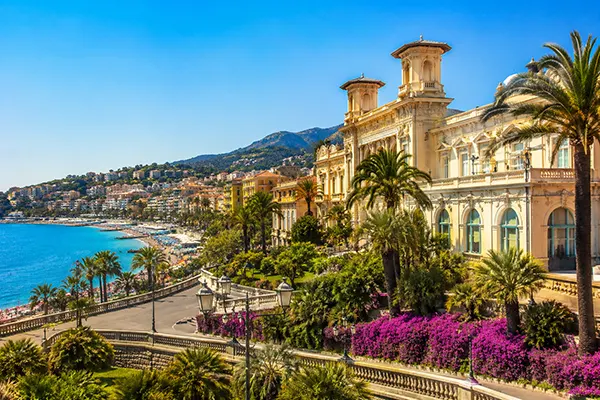
Sanremo is one of the best-known destinations on Italy’s Ligurian coast, combining elegant architecture, a long cultural tradition and one of Europe’s oldest gaming establishments. While many visitors first associate the city with the famous Italian Song Festival, Sanremo offers much more than a single annual event. Historic villas, palm-lined promenades, Belle Époque buildings and the renowned Casinò Sanremo create a distinctive atmosphere that reflects more than a century of local history. The city remains a year-round destination where cultural heritage, seaside scenery and Italian lifestyle naturally come together.
The Architectural Character of Sanremo
Sanremo developed rapidly during the late nineteenth and early twentieth centuries, when wealthy European travellers began spending winters on the Italian Riviera. During this period, elegant hotels, private villas and public gardens transformed the town into one of the Mediterranean’s most fashionable resorts. Many of these buildings still define the city’s appearance today and remain carefully preserved.
The influence of Liberty style, Italy’s interpretation of Art Nouveau, can be seen throughout the historic centre. Decorative façades, curved balconies, floral details and ornate ironwork distinguish many residential buildings and former grand hotels. The long-standing presence of Casinò Sanremo has also helped the city become associated with gaming culture, which is why readers interested in the subject may also come across resources including Nolimitway casino while looking for information about different forms of casino entertainment. Alongside these architectural styles stand the medieval streets of La Pigna, where narrow lanes, stone staircases and small squares illustrate the city’s much earlier origins.
Walking through Sanremo reveals a gradual transition between different periods of Italian history. Historic churches stand only a short distance from nineteenth-century villas, while modern cafés occupy buildings that once welcomed aristocratic visitors from Britain, France and Russia. This architectural diversity gives the city a distinctive identity that differs from many other coastal destinations in Italy.
Landmarks That Reflect Sanremo’s Heritage
Among the city’s best-known landmarks is the Russian Orthodox Church, completed in 1913. Its characteristic onion domes immediately distinguish it from surrounding Italian architecture and reflect the significant Russian community that regularly visited Sanremo during the Belle Époque era.
Another important landmark is the Cathedral of San Siro, one of the oldest religious buildings in western Liguria. Dating back to the medieval period, it represents an architectural contrast to the elegant structures built centuries later along Corso Imperatrice and the nearby seafront.
Public gardens, seaside promenades and historic squares complete the city’s urban landscape. Rather than concentrating attractions in one location, Sanremo encourages visitors to move between neighbourhoods, discovering architectural details, local cafés and panoramic coastal viewpoints along the way.
The Italian Song Festival and Sanremo’s Cultural Identity
Since 1951, the Festival della Canzone Italiana, better known internationally as the Sanremo Music Festival, has become Italy’s most influential music competition. Held annually at the Teatro Ariston, the festival has introduced generations of performers and has played an important role in shaping contemporary Italian popular music.
The festival attracts millions of television viewers every year and regularly dominates national media coverage. Beyond the competition itself, the event brings concerts, exhibitions, interviews and cultural activities that spread throughout the city, creating a lively atmosphere during festival week.
Although music is central to Sanremo’s modern reputation, the festival represents only one aspect of the city’s cultural life. Throughout the year, visitors can attend art exhibitions, classical concerts, literary events and seasonal celebrations that highlight the traditions of Liguria alongside contemporary Italian culture.
The Historic Role of Casinò Sanremo
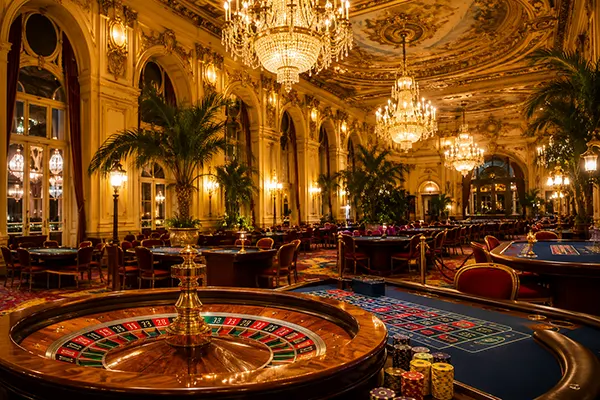
Opened in 1905, Casinò Sanremo is recognised as one of Italy’s oldest operating casinos. Designed by French architect Eugène Ferret in an elegant Liberty style, the building has become one of the city’s architectural symbols. Its richly decorated interiors, grand staircases and period design reflect the refinement of the early twentieth century while remaining an active part of Sanremo’s cultural landscape.
Beyond gaming, the building has hosted theatrical performances, gala evenings, concerts and international cultural events for decades. This broader role has allowed the casino to become an established landmark that contributes to Sanremo’s identity beyond entertainment alone. Visitors often admire the architecture even without entering the gaming rooms.
Today, Sanremo demonstrates how architecture, music and local history can coexist within a single destination. Its historic streets, celebrated music festival and iconic casino illustrate different chapters of the city’s development, making it a rewarding place for travellers interested in Italian culture. Together, these attractions continue to make Sanremo one of the most distinctive destinations on the Ligurian coast, combining historical heritage with experiences that appeal to visitors throughout the year.