
Topkapı Palace, Turkey: courtyards, the Imperial Harem, and an efficient visiting order
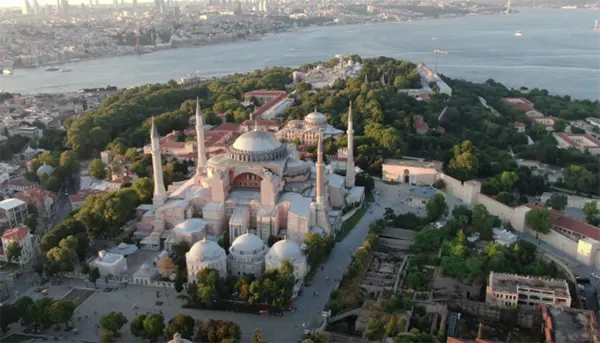
Topkapı Palace sits on Istanbul’s historic peninsula where the Bosphorus meets the Golden Horn, and it works more like a small walled district than a single building. To enjoy it properly, you need a plan: the palace is spread across sequential courtyards, the key collections are indoors (so queues and room capacity matter), and the Harem is easy to “accidentally” visit at the wrong moment and lose time walking back and forth. This guide focuses on a practical order of sight-seeing, what the spaces actually were used for, and the small decisions that make the day smoother in 2026.
Before you go: what to expect in 2026
Topkapı is managed as a museum complex with multiple checkpoints and a lot of “micro-rooms” where people naturally bottleneck. Even on a calm weekday, expect a steady flow through the Treasury and the Harem passages, because those areas are narrow and visitors pause for displays and tilework.
The palace is also a living conservation site. Restoration and periodic re-openings have been a theme in recent years, and some sections can remain closed while works continue, even as renovated areas return to visitors. That means your best mindset is: plan a route, but stay flexible if a specific room is temporarily shut.
Time planning is simple: 2.5–3.5 hours is a fast visit (highlights only), 4–6 hours is comfortable, and a full day is realistic if you add Hagia Irene and take breaks. If you want the Harem and the major collections without rushing, aim for at least half a day.
Tickets, opening hours, and closures
As of 2026, published prices can vary by ticket type and by official listings versus ticket windows, so it’s wise to check the current fee on the day of your visit. If you’re choosing between a combined ticket, add-ons, or an audio guide, decide in advance what matters most to you and leave a small budget buffer.
Opening hours can also change by season and around public holidays. The practical takeaway is simple: do not build an itinerary that depends on arriving late. If you can enter near opening, you can reach the most crowded interiors before tour groups stack up in the corridors.
Finally, keep an eye on the weekly closure day and holiday schedules. A quick check before you travel can save you from arriving to a closed gate or losing the calm, early window that makes Topkapı far more enjoyable.
The most efficient order through the courtyards
Topkapı’s logic is sequential: you move from public to private, from outer service spaces to the inner residence and the sultan’s most controlled rooms. The mistake many visitors make is treating the complex like a single loop; it is not. The fastest day has one direction of travel, with only short “side branches” where it makes sense.
A solid, low-stress order for first-timers is: enter and orient yourself in the First Courtyard, continue directly to the Second Courtyard for the core palace experience, handle the Harem as a focused block (not as a casual detour), then continue into the Third Courtyard for the key collections, and finish with the Fourth Courtyard terraces and pavilions for views and breathing room.
If you care about photos, note the light: mornings can be kinder in the courtyards, while the Bosphorus views from the Fourth Courtyard often look best later in the day. Also, the indoor rooms are about objects and craftsmanship, not wide architecture shots—so prioritise them when your energy is highest.
How to do the Imperial Harem without losing time
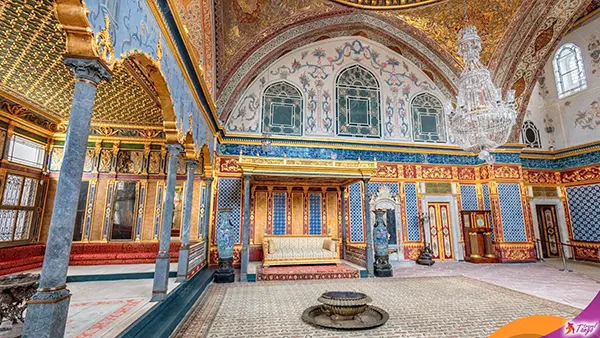
The Harem is not “one room”; it is a network of residential passages, courtyards, baths, and apartments where the sultan’s family and household lived under strict hierarchy. In practical terms, it is also one of the slowest parts of the palace because the route narrows and people stop constantly to look at Iznik tiles, carved doors, and inscriptions.
The best time to visit the Harem is either early (right after you reach the Second Courtyard) or later (when the midday crowd thins). What matters is doing it in one committed run. Don’t enter, exit, and then re-enter later: that doubles your queue time and adds a lot of walking.
Inside, pace yourself: look for the architectural clues that explain function—private chambers are smaller and more enclosed; ceremonial spaces open out and have stronger decorative emphasis. If a section is temporarily closed due to conservation, keep moving; the Harem route is rich enough that you will still have a complete experience.
What to prioritise once you reach the inner palace
The Third Courtyard is where many visitors slow down for good reason: this is where Topkapı shifts from broad palace narrative to concentrated museum highlights. The spaces here were associated with the sultan’s personal domain, education, and the most protected objects of the empire.
If you have limited time, prioritise the rooms that combine historical meaning with object density. These are the areas where five minutes can be genuinely rewarding because the displays are layered—ceremonial items, craftsmanship, diplomatic gifts, and artefacts connected to state ritual.
Be honest about your pace. If you are travelling with children or anyone who tires easily, decide in advance what you’re comfortable skipping. A clean, enjoyable half-day beats an exhausting “everything” day where you no longer absorb what you’re looking at.
Treasury, sacred collections, and how to keep your rhythm
The Treasury is usually a crowd magnet, and it can feel intense because the rooms are compact and the security flow is strict. Go in with a simple rule: choose a few cases to study properly rather than trying to see every object at the same speed. That approach reduces stress and makes the visit feel intentional.
For the sacred and ceremonial collections, treat them with the same respect the museum expects: keep voices low, avoid flash photography where prohibited, and follow the direction of movement. These rooms are meaningful for many visitors beyond tourism, and the experience is better when everyone behaves accordingly.
When you notice fatigue setting in, that’s your cue to move outdoors. The Fourth Courtyard is perfect for this: it’s calmer, the views reset your attention, and it’s the right place to finish because you’ll be walking “out” of the most private spaces back towards the exits anyway.
A simple half-day vs full-day plan
Half-day plan (about 4 hours): First Courtyard orientation → Second Courtyard highlights → Harem in one continuous visit → Third Courtyard collections → quick finish at the Fourth Courtyard viewpoints.
Full-day plan (6–8 hours): same core route, but add slower museum time in the Third Courtyard, include Hagia Irene if it’s on your ticket, and take a proper break outdoors before the Fourth Courtyard. This is also the safer plan if you expect queues.
Whichever plan you choose, keep one buffer: 30–60 minutes that you don’t allocate to any “must”. It will absorb real-world friction—security checks, a temporarily closed passage, or a room you end up enjoying more than expected—and your day will still feel calm rather than squeezed.