
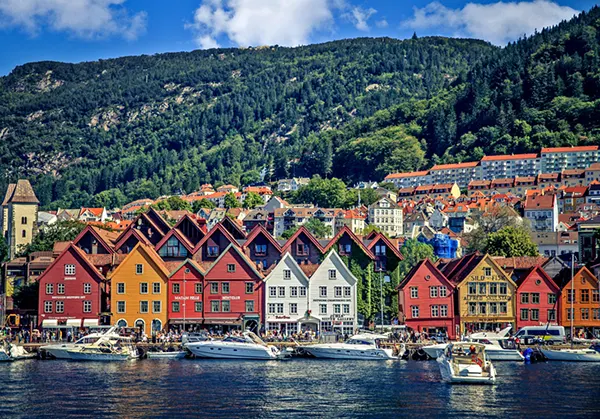
Bergen, Norway: Fjords, Bryggen Wooden Wharf and Mountain Landscapes
Bergen is one of Norway’s most distinctive cities, combining centuries of maritime history with remarkable natural scenery. Located on the country’s western coast, it serves as the gateway to several of Norway’s most famous fjords and attracts visitors throughout the year. Historic streets, colourful timber buildings, mountain viewpoints and a thriving cultural scene make Bergen equally appealing for history enthusiasts, outdoor travellers and photographers. While many visitors include the city as part of a fjord cruise, Bergen itself offers enough attractions to justify several days of exploration.
Why Bergen Remains One of Norway’s Most Popular Destinations
Founded in 1070 by King Olaf III, Bergen was once Norway’s largest city and an important trading centre in Northern Europe. During the Middle Ages, merchants from the Hanseatic League established a commercial district along the harbour, helping Bergen become one of Scandinavia’s wealthiest ports. The city’s historic importance is still evident in its preserved architecture, museums and waterfront, where many original street layouts have survived for centuries.
Modern Bergen successfully combines its historical heritage with contemporary Norwegian life. Visitors can enjoy world-class seafood restaurants, independent cafés, art galleries, music festivals and local markets while remaining within walking distance of medieval landmarks. Despite welcoming millions of visitors every year, the city retains the atmosphere of a working coastal community rather than functioning solely as a tourist destination.
Bergen is also known as the “City of Seven Mountains”, a name reflecting the hills that surround its centre. These mountains create dramatic scenery in every direction while providing countless hiking opportunities. Even travellers with limited time can easily reach panoramic viewpoints thanks to well-maintained walking paths and public transport connections.
The Historical Importance of Bryggen Wharf
Bryggen is the most recognisable landmark in Bergen and has been included on the UNESCO World Heritage List since 1979. The famous row of colourful wooden buildings represents one of Europe’s best-preserved medieval commercial districts. Although several devastating fires have affected the area throughout history, rebuilding followed traditional construction methods, preserving the appearance and character that define Bryggen today.
Walking through Bryggen reveals narrow wooden passages, hidden courtyards and small workshops occupied by artists, jewellers and local craftsmen. Many buildings now contain museums, boutiques and exhibitions explaining the daily lives of Hanseatic merchants who dominated trade between Northern Norway and continental Europe for hundreds of years. The Hanseatic Museum and Schøtstuene Assembly Rooms provide valuable insight into this unique trading community.
Photography enthusiasts often arrive early in the morning when the harbour is quiet and the wooden façades are reflected in the calm water of Vågen Bay. Evening also provides excellent lighting, particularly during summer when daylight extends well into the night. Exploring Bryggen outside the busiest hours allows visitors to appreciate details that are easily overlooked during peak tourist periods.
Exploring the Fjords from Bergen
Bergen is widely recognised as Norway’s leading starting point for journeys into the country’s famous fjord region. Several of Norway’s most celebrated natural attractions can be reached on organised excursions or by combining trains, ferries and buses. Many travellers choose Bergen as either the beginning or the final stop of a longer Norwegian itinerary because transport connections make independent travel straightforward throughout the year.
The most famous nearby destinations include Sognefjord, Hardangerfjord and the UNESCO-listed Nærøyfjord. Sognefjord stretches for more than 200 kilometres inland, making it the longest and deepest fjord in Norway. Hardangerfjord is especially popular during spring when thousands of fruit trees blossom along its shores, while Nærøyfjord impresses visitors with steep mountain walls rising almost vertically from the water.
Boat excursions vary from short sightseeing cruises lasting a few hours to full-day adventures combining scenic railways, mountain villages and ferry crossings. Travellers visiting between May and September enjoy the widest selection of departures, although winter tours offer a completely different perspective, with snow-covered mountains creating dramatic landscapes around the fjords.
Choosing the Best Fjord Experience
Travellers seeking maximum flexibility often combine Bergen’s public transport network with Norway’s renowned railway system. The Bergen Railway connects the city with Oslo while the famous Flåm Railway branches off through spectacular mountain scenery before reaching Aurlandsfjord. This combination allows visitors to experience both high mountain plateaus and deep fjords during a single journey.
Guided cruises remain an excellent option for those who prefer a carefully organised itinerary. Most tours include commentary about local history, geology and wildlife, helping visitors understand how glaciers shaped the dramatic landscape over thousands of years. Depending on the season, passengers may also spot porpoises, seals, sea eagles and numerous seabird species.
Travellers planning several days in the region should consider spending at least one night in smaller fjord communities such as Flåm, Balestrand or Ulvik rather than returning immediately to Bergen. Staying overnight offers opportunities to enjoy quieter evenings, local hiking trails and traditional Norwegian hospitality after most day visitors have departed.
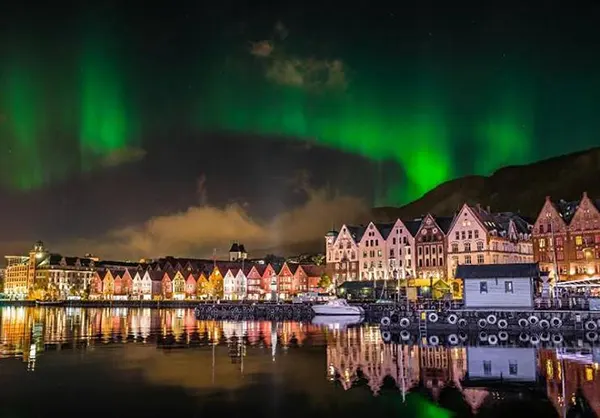
Mountain Views, Local Culture and Practical Travel Tips
Although Bergen’s waterfront attracts considerable attention, the surrounding mountains offer equally memorable experiences. Mount Fløyen is perhaps the city’s best-known viewpoint and can be reached in just a few minutes via the Fløibanen funicular. At the summit, visitors are rewarded with sweeping views across Bergen’s colourful rooftops, surrounding islands and distant fjords. Numerous walking trails begin here, ranging from gentle woodland paths to longer hikes connecting several of the city’s famous mountains.
Another outstanding destination is Mount Ulriken, the highest of Bergen’s seven mountains. A modern cable car carries visitors close to the summit, where observation terraces and hiking routes provide spectacular panoramic scenery. More experienced walkers often complete the popular Vidden Trail, an approximately 13-kilometre hike linking Ulriken and Fløyen through open mountain landscapes overlooking the city.
Weather plays a significant role when visiting Bergen. The city is famous for frequent rainfall, which contributes to the lush green hills surrounding it. Waterproof clothing and sturdy footwear are practical throughout the year, even during summer. Fortunately, changing weather conditions often create dramatic light across the harbour and mountains, producing memorable views for photographers.
Making the Most of a Stay in Bergen
Bergen’s compact city centre makes sightseeing easy on foot. Many of the principal attractions, including Bryggen, the Fish Market, Bergenhus Fortress, the Fløibanen station and several museums, are located within a short walking distance of one another. Visitors can comfortably explore the historic district while stopping at cafés serving freshly baked cinnamon buns, traditional waffles and locally roasted coffee.
Seafood continues to play a central role in Bergen’s culinary identity. The Fish Market offers fresh salmon, king crab, shrimp and cod alongside regional specialities prepared using ingredients from Norway’s coastal waters. Restaurants throughout the city also feature seasonal menus highlighting locally sourced lamb, game, berries and artisan cheeses, giving visitors an authentic introduction to western Norwegian cuisine.
Bergen combines outstanding natural scenery with centuries of maritime heritage in a way few European cities can match. From UNESCO-protected wooden buildings and panoramic mountain viewpoints to world-famous fjords and vibrant cultural life, the city rewards travellers who take time to explore beyond the harbour. Whether visiting for a weekend or as part of a longer Norwegian journey, Bergen remains one of Scandinavia’s most rewarding destinations in 2026.